
Project context
With the company goal of growing our new line of business, a direct-to-consumer virtual tutoring service, our team identified a number of growth opportunities within our sign up funnel. Remind Tutoring had gained traction a year after launching an MVP, and our team was tasked with growing revenue.
Goals
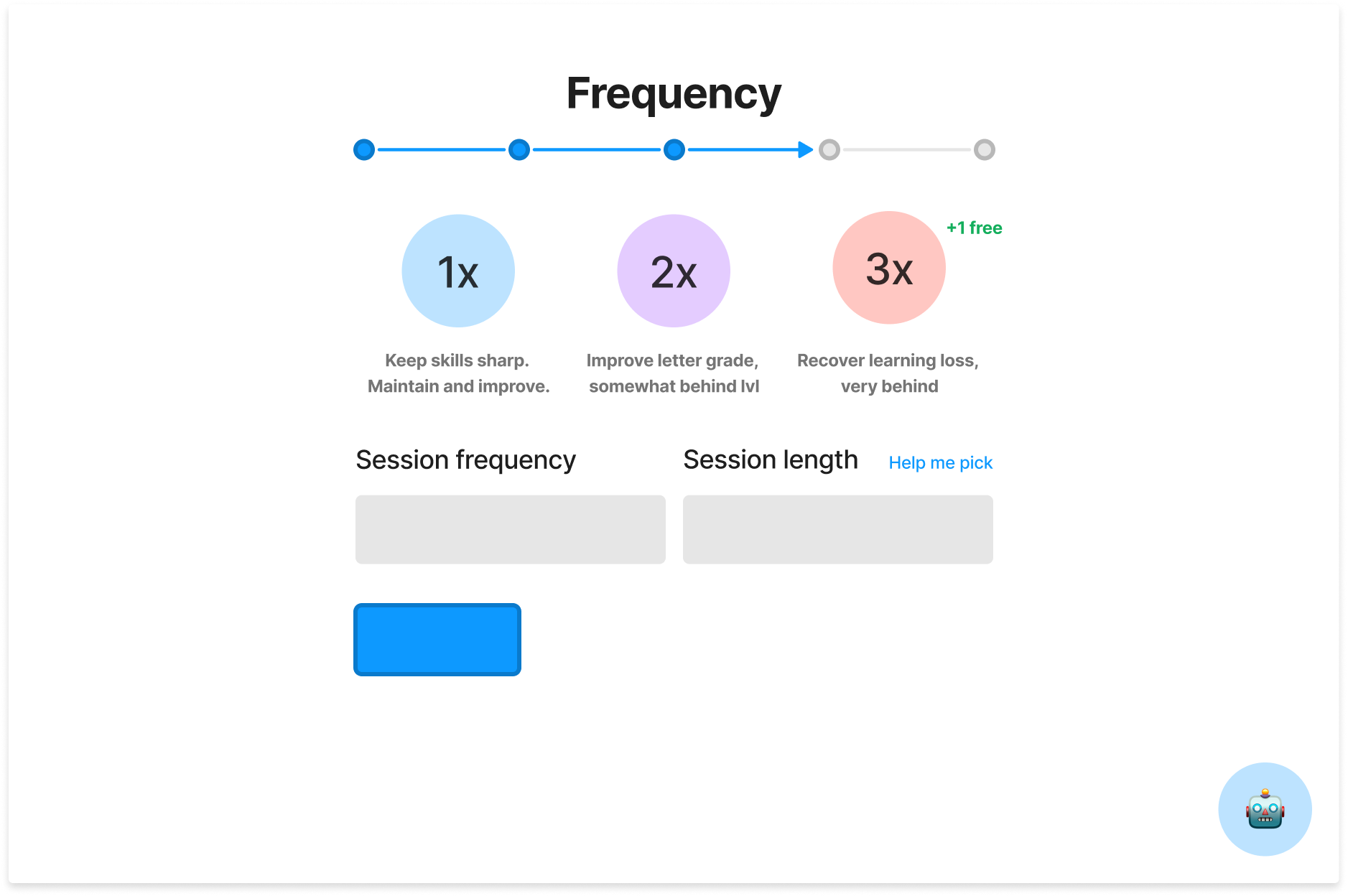
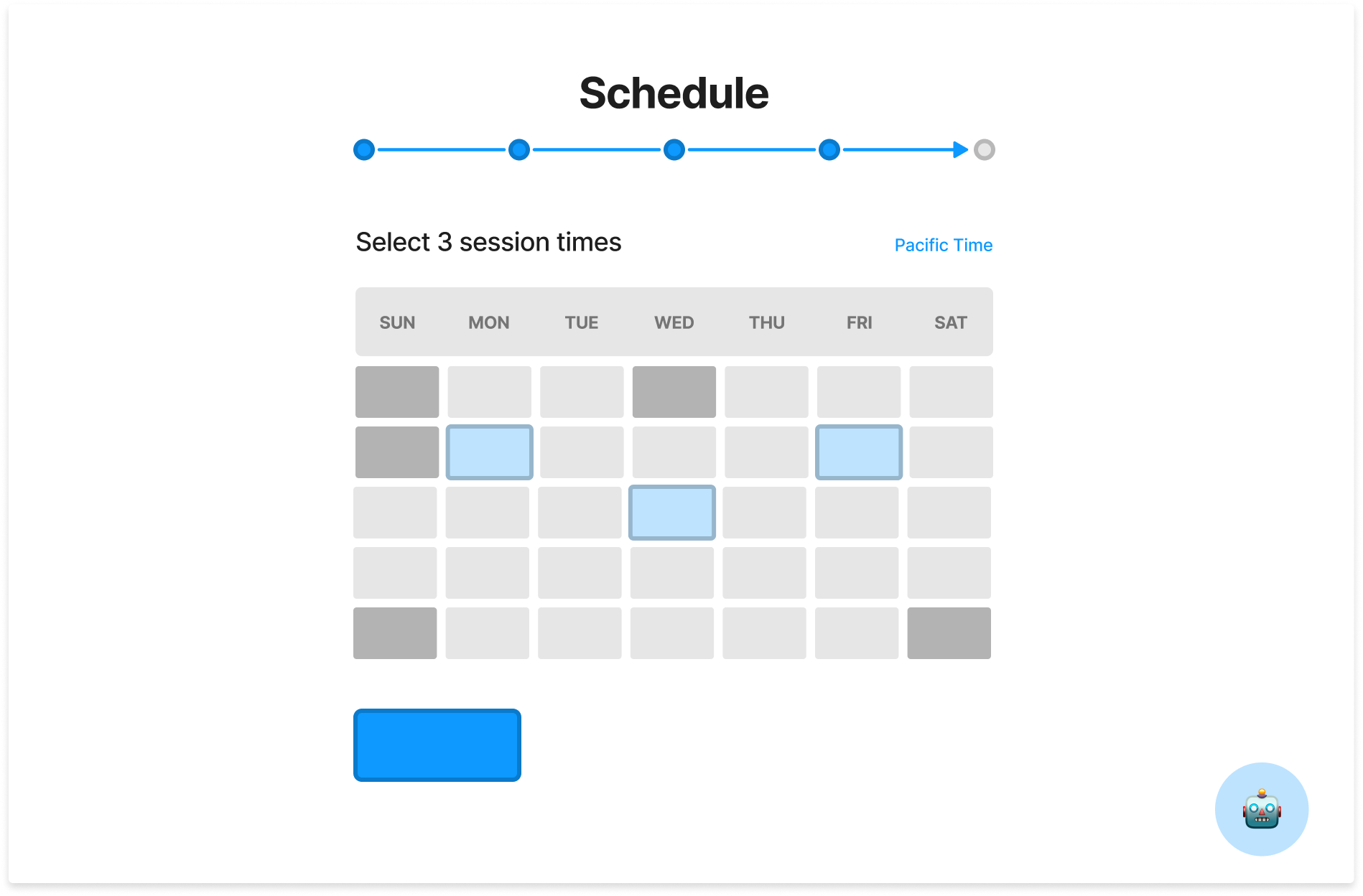
Capture weekly frequency and session length within sign-up
Increase revenue through improved conversion and retention
Visually align the tutoring product with Remind’s new brand
Insights from research
Limitations of the MVP left students stuck with weekly 40-minute sessions. We conducted a survey about desired frequency and length of sessions, finding that nearly 50% of respondents wanted meet more than once weekly. That was unrealized revenue left on the table!
Limitations of the MVP left students stuck with weekly 40-minute sessions. We conducted a survey about desired frequency and length of sessions, finding that nearly 50% of respondents wanted meet more than once weekly. That was unrealized revenue left on the table!
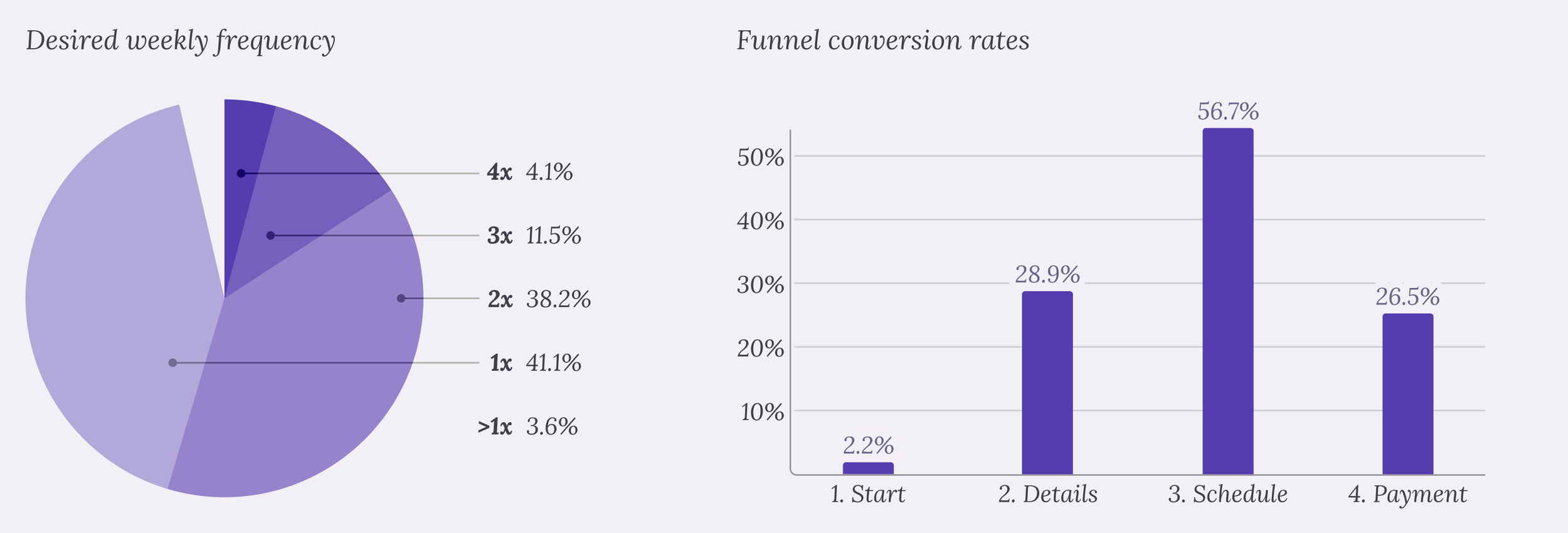
Our analysis of the existing sign up funnel led to profound insights
First step conversion at an all-time low (historically between 15%–27%)
Second step conversion suffered due to lack of subject selection and availability
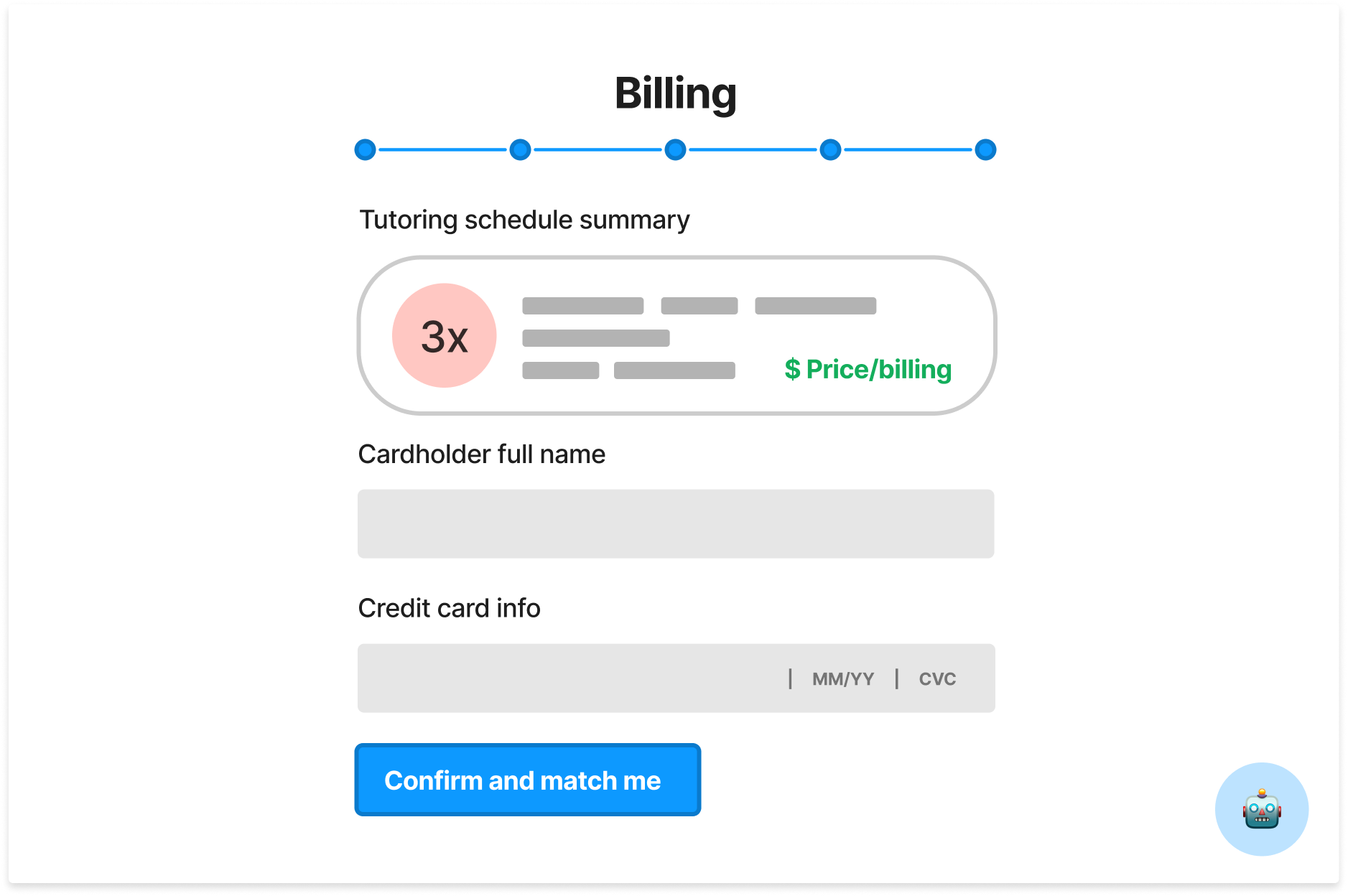
Throughout the funnel, we found parents were often unclear about pricing
Approximately 90% of sign up funnel traffic came on mobile platforms
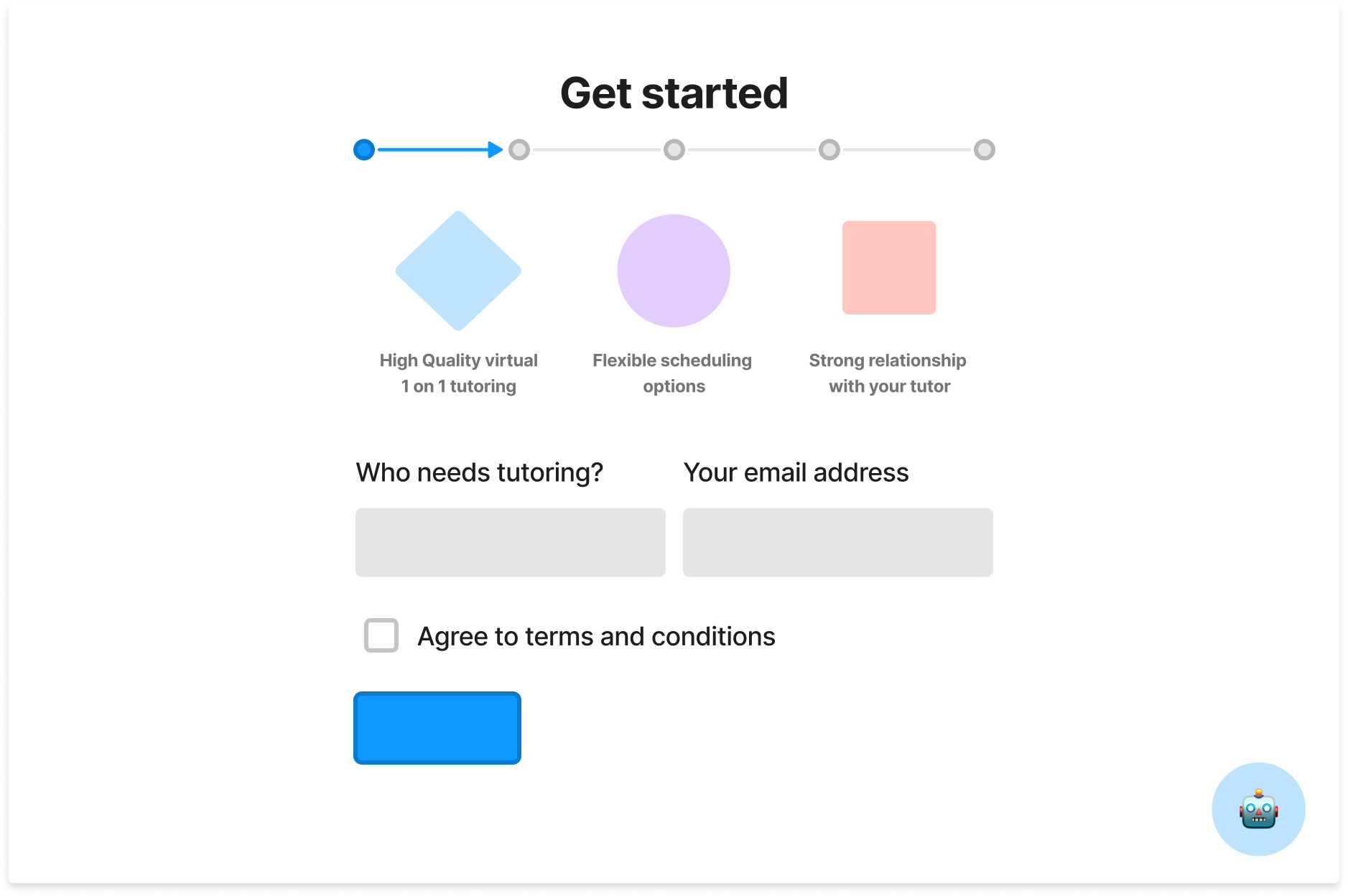
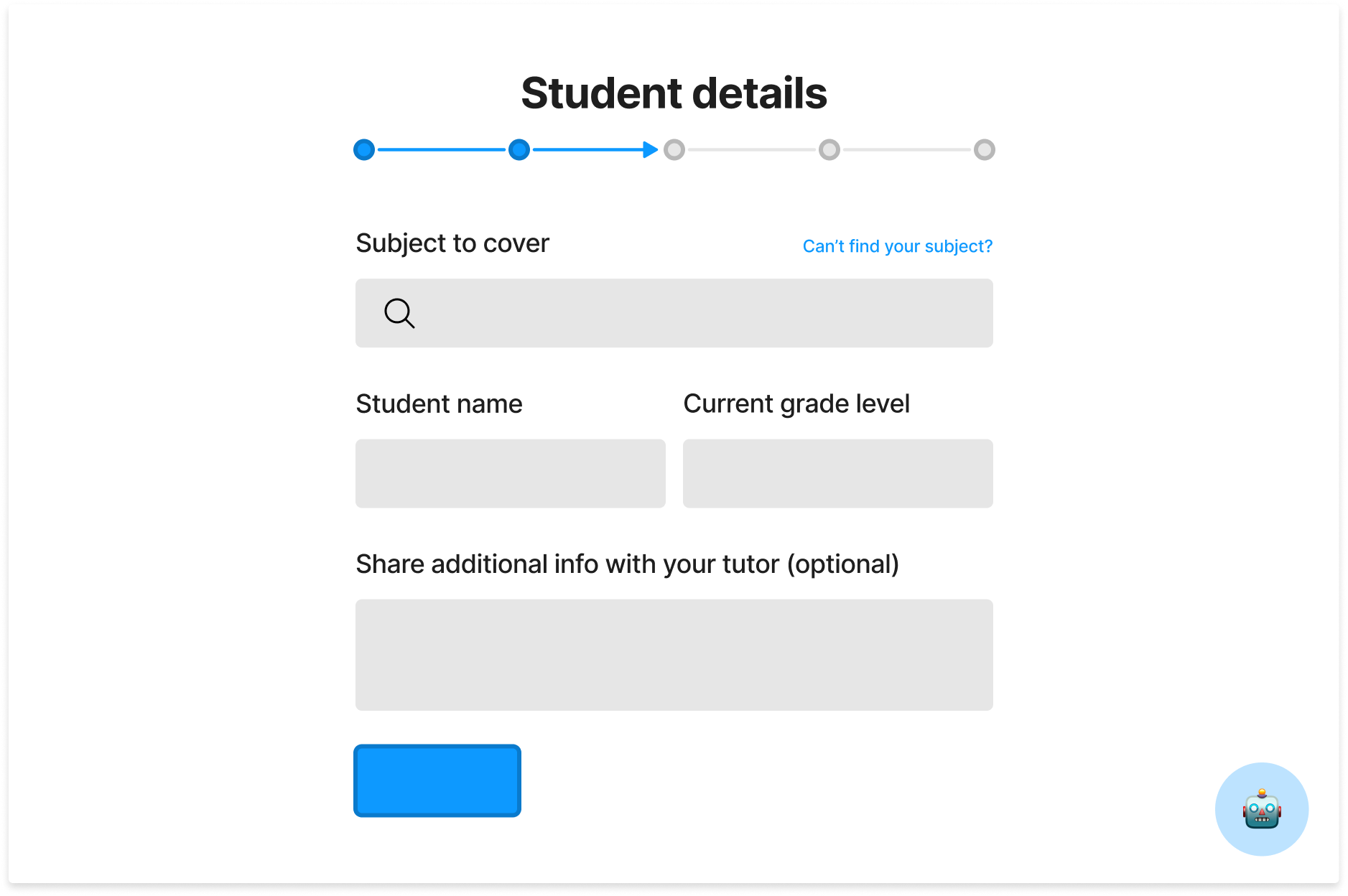
Low-fi flows
Where to add frequency into the flow
Considered adding subject first (another large funnel drop)
High-fi design
Adjust scheduling UI to accommodate
Qualitative research reinforced with Hotjar data helped identify other ways to optimize
Mobile usability testing
[neg] Arriving via email (not much knowledge of the product) still wanting to know more
[neg] guarantee language, ‘try now’ CTAs, wanting more tutor info
[pos] Fewer questions about pricing
[pos] Clear about recurrence, mixed feedback on the UI
Results
We ran an A/B test between the current and new flows over a 5 week period.
Results from the new flow:
25% increase in average gross revenue despite a decrease in sign-ups
57% scheduled longer or > 1x weekly sessions
New flow participants attended more sessions in total, with improved attendance rates
Key learnings
WIP
Easier user type assignment– New edtech coaches can’t opt into this role; a district admin needs to assign the role to users. Adding these roles is a cumbersome for district admins. In hindsight, prioritizing work on that experience would have led to higher activation.
Scalable training and onboarding– Soon after launch, feedback echoing through our success teams suggested that districts wanted more formalized training for this new experience. Our District Success team reacted beautifully and hosted a webinar attended by a record number of district admins.
Deprecate useless features– Artifacts and half-baked features from the old experience still exist in the new experience. This distracts and muddles the experience for our STLs. While this isn’t ideal, I do think we made the proper trade-offs, focused on the right things, and delivered a great experience.
Special thanks to the skilled and tenacious tutoring team, and cross-functional teams at Remind who collaborated on this project.